
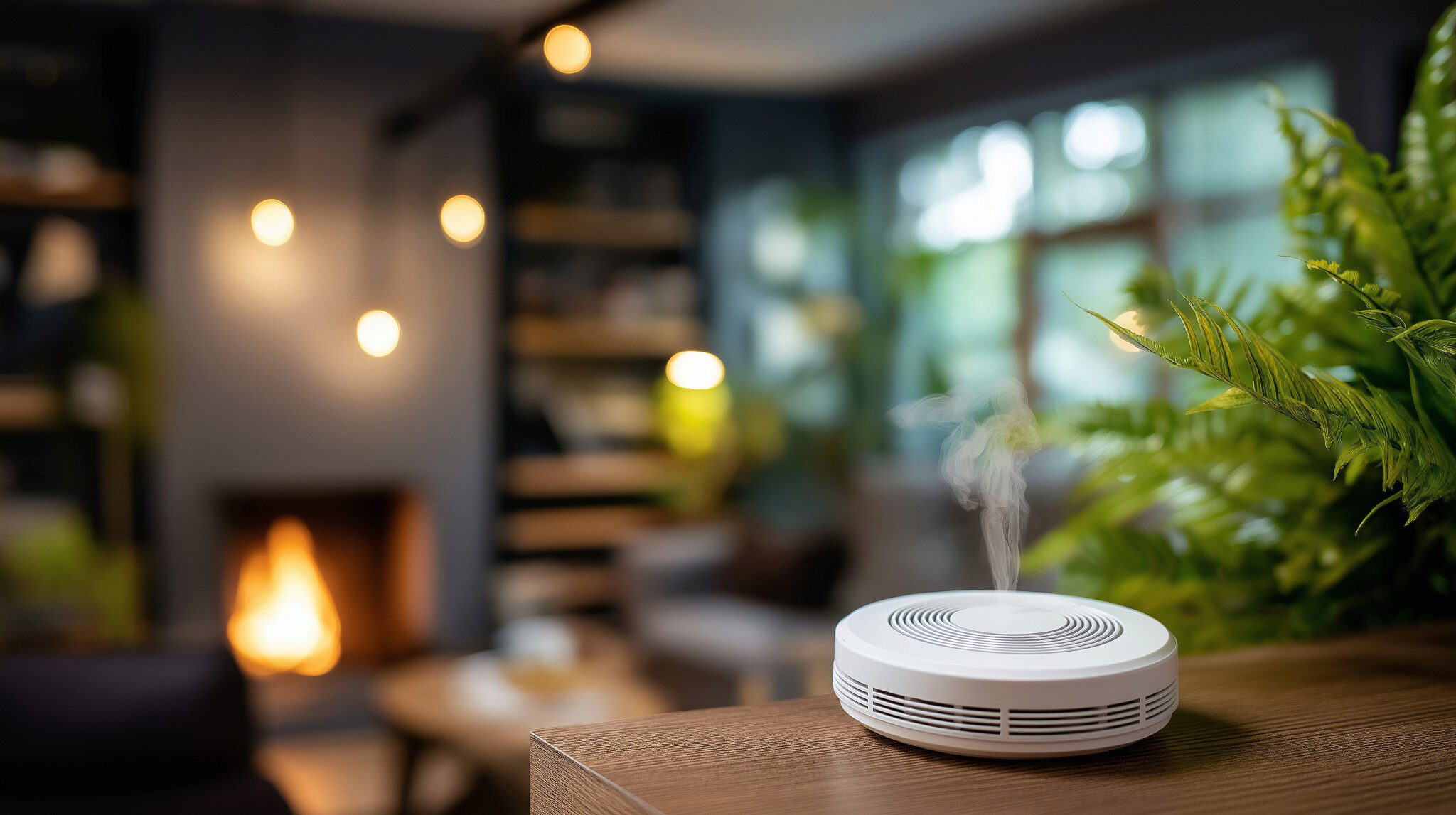
Carbon monoxide is often called the silent killer for good reason. You can’t see it, smell it, or taste it, yet it claims lives every year in Ontario. That’s why the province has strengthened its Fire Code requirements, and as of January 1, 2026, these changes are now in effect.
At Salus Mutual, helping our neighbours stay safe has always been part of who we are. So we want to make sure you understand what these updates mean for your home, your farm, and your business.
The Big Change for Homeowners
If your home has a fuel-burning appliance, a fireplace, or an attached garage, you now need carbon monoxide alarms on every floor of your home — not just near the bedrooms.
Here’s what that looks like in practice. If you live in a two-storey home with bedrooms upstairs, you previously may have had a CO alarm only on the second floor. Now you need one on every level, including your basement and main floor. The same applies to three-storey townhomes and any multi-level dwelling.
This change reflects what safety experts have learned about how carbon monoxide moves through a home. Because CO mixes freely with air, it can reach dangerous levels on any floor, and you need to be alerted wherever you are.
What You Can Do Right Now
Start by taking stock of what you already have. Walk through your home and note where your current CO alarms are located. Then add alarms to any storey that doesn’t have one. Combination smoke and CO alarms count toward meeting these requirements, so you may be able to simplify your setup.
While you’re at it, check the expiry dates on your existing alarms. Most need to be replaced every five to ten years, and an expired alarm may not protect you when it matters most. Test your alarms monthly by pressing the test button, and replace the batteries at least once a year.
It’s also worth having your fuel-burning appliances inspected annually by a qualified technician. Prevention starts with making sure everything is working as it should.
If you’re a Salus Mutual policyholder, remember that our branches stock a range of safety equipment, including smoke alarms, carbon monoxide detectors, and fire extinguishers. These items are available free or at reduced cost to help you stay protected.
Renters Have Responsibilities Too
If you rent your home, these rules apply to you as well. While your landlord may be responsible for ensuring the building meets Fire Code requirements, it’s in your best interest to confirm that CO alarms are installed on every level of your unit. If your building has a parking garage or furnace room nearby, your unit may need additional protection.
This is also a good reminder of why tenant insurance matters. It protects your belongings and provides liability coverage should something unexpected happen. Talk to one of our local agents if you’d like to learn more.
Changes for Farms and Agricultural Buildings
Ontario’s farming families have always understood the importance of safety, and these Fire Code updates include provisions that affect larger agricultural operations.
Farm buildings constructed after January 1, 2025, that exceed 600 square metres or are more than three storeys tall now need to follow fire safety and equipment requirements similar to commercial buildings. If you’ve recently built or are planning to build a large barn, storage facility, or processing building, it’s worth reviewing these requirements with your contractor and insurance agent.
For farm operations that store hazardous materials such as flammable liquids, chemicals, or combustible dust, updated national standards now apply. The same goes for cannabis extraction facilities, which must meet strict fire safety requirements.
What Business Owners Should Know
The Fire Code changes extend to commercial and industrial properties as well. Fire alarm inspections across Ontario are becoming more rigorous, with every device now requiring individual testing rather than sampling. This means annual inspections may take longer and require more access to your building.
Exit doors in all buildings must now open easily from the inside without special tools, even those using electronic access systems like key fobs or magnetic locks. These systems must still release quickly during an emergency.
The penalties for non-compliance have also increased significantly. Fines for individuals can reach up to $50,000, while corporations may face penalties of up to $500,000. Municipalities may soon begin issuing immediate tickets for Fire Code violations.
If you own or manage a commercial property, now is a good time to review your fire safety plan, schedule any needed inspections, and ensure your documentation is complete and accessible.
We’re Here to Help
These changes are about more than checking boxes on a list. They’re about making sure you and your family, your employees, and your neighbours are protected from a danger that’s all too easy to overlook.
At Salus Mutual, we’ve always believed that being a good neighbour means looking out for one another. That’s why we offer loss prevention programs, safety equipment at our branches, and the personalized guidance of local agents who understand the unique needs of our communities. If you’d like to discuss your insurance needs, we’re just a phone call away.
